


Tuesday 15th of June 2021
When it comes to buying or selling a business in South Africa, determining the appropriate valuat
...ion is usually the most challenging task. Whether...


When it comes to buying or selling a business in South Africa, determining the appropriate valuation is usually the most challenging task. Whether you're an entrepreneur looking to cash out or a buyer looking for a business for sale; understanding the valuation goes well beyond guessing a number or comparing prices online. It requires a systematic approach, accurate financial data and an understanding of the local market dynamics that determine your company's true worth.
South Africa's SMEs are the backbone of the economy, accounting for a significant share of employment and GDP. However, many SMEs operate informally or without thorough financial documentation, making valuations appear complicated or unclear. However, given the correct framework, you can arrive at a value that is both reasonable and defendable.
This article will help you understand the key strategies and considerations for correctly valuing a SME; whether you're buying, selling or simply planning for future growth. Understanding this concept, will allow you to make more informed and strategic business decisions.
Before getting into the numbers, it is very important to understand why the valuation is being done. The purpose determines the strategy you use and how aggressive or conservative your estimates should be. Valuing a business for sale, may necessitate a larger examination of market trends, emotional value to the owner and expected future possibilities. In contrast, evaluating a business for financial or tax purposes, may necessitate stricter documentation and conservative assumptions.
In South Africa, valuations are often needed when applying for funding, bringing in partners, selling shares, or transferring ownership. Each purpose affects the method and final number. Buyers looking for a business for sale South Africa will also have their own reasons; expansion, investment, or entry into a new market, so understanding intent is key for both sides of the negotiation.
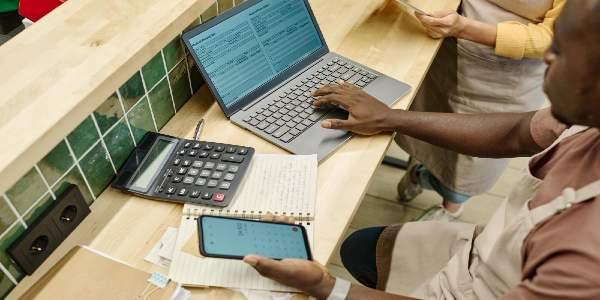
Financial statements are the backbone of any valuation, and their accuracy is crucial. Start by analysing at least three to five years of financial records, including income statements, balance sheets, and cash flow statements. Look for consistency in revenue, profitability trends, and fluctuations that may need deeper explanation. South African SMEs sometimes mix personal and business expenses, so cleaning up the books is essential for a realistic valuation.
Cash flow, in particular, is a powerful measure of value, as investors like businesses that create consistent, predictable returns. Check for dependency on a few key clients, overdue debtors, seasonal trends or high risk costs. A buyer evaluating a business for sale in South Africa will pay close attention to these aspects because they have a direct impact on risk and return.
Valuing a SME in South Africa means, selecting the technique that best reflects your company's model, financial stability and future potential. While there are other options available; focusing on the three most practical and regularly utilised strategies simplifies the process for both buyers and sellers. These strategies are also the most commonly used for evaluating SMEs in real world transactions.
Below are the three core valuation methods explained in simple, business friendly terms:
This method determines the value of a business, by taking its total assets and subtracting its liabilities. It is ideally suited for SMEs that have large physical assets such as equipment, vehicles, or buildings. This approach provides a simple, physical valuation but it can undervalue service oriented enterprises where reputation, talent and customer relationships are more important.
This method values a business by multiplying its annual profit by a specific industry multiple. It is commonly used when analysing a business for sale South Africa, especially when the company has stable and predictable earnings. Because it is directly tied to profitability, it reflects real world market behaviour and is widely preferred by buyers and investors.
This method determines a corporation's current worth by forecasting future cash flows and discounting them for risk and inflation. It is best suited to SMEs that have excellent financial projections and growth potential. DCF is more detailed and forward thinking than other methodologies, making it especially useful for businesses entering new markets or investing in long term growth.
External factors also influence valuation; it is not solely determined by internal numbers. South Africa's economic landscape, has varying effects on SMEs based on their sector, geography, and size. For example, a business in renewable energy or eCommerce may be valued higher due to rising demand, but sectors affected by load shedding or regulatory changes may be valued lower.
It is very important to compare your business to similar SMEs that have been bought or sold in recent years. Industry reports, broker insights and market listings can help establish whether valuations in your field are rising, stable or declining. Buyers looking at a business for sale South Africa will certainly benchmark your business against others, so having market backed reasoning strengthens your position during negotiations.

Many SME owners underestimate the power of intangible assets. These include brand reputation, loyal customer relationships, operational systems, IP and online presence. A business with a solid digital footprint, strong reviews and efficient systems can command a higher valuation even if its current profits are modest. These intangible factors reduce operational risks and increase future earning potential.
Growth potential also plays a major role. If the business has untapped markets, opportunities for expansion, or scalable systems, a buyer is often willing to pay more. Demonstrating documented strategies, such as new product lines or digital transformation, helps justify a higher valuation. A business is not just worth what it earns today; it is worth what it can earn tomorrow, especially in a growing industry.
Wrapping Up
Valuing an SME in South Africa requires a balanced, practical approach. Whether you’re planning to sell, attract investors, or simply assess where your business stands, a structured valuation helps you make informed decisions and negotiate with confidence. With clear records, the right valuation method, and a strong understanding of local market conditions, you can arrive at a realistic value that sets the foundation for growth, transition, or investment.

Johannesburg is considered one of South Africa’s thriving business centres, where new entrepreneurs can easily find business opportunities in...

Seasonal businesses may seem easy to operate, but they are among the most challenging endeavours for novice entrepreneurs. Their sales patterns often...






Business2Sell is one of the biggest and trusted marketplaces for buying and selling businesses in South Africa. Our website is visited by thousands of buyers and sellers every day, which makes it the most active and dynamic online platform for transactions. We are committed to providing our clients with advanced technology and value for money services.