


Friday 17th of January 2025
The retail sector remains one of the most important pillars of South Africa’s economy. It s
...upports businesses of all sizes and creates employ...


The retail sector remains one of the most important pillars of South Africa’s economy. It supports businesses of all sizes and creates employment opportunities across the country. According to recent statistics, retail trade sales increased by 2.6% year on year in March 2026 while total sales for the first quarter of 2026 rose by 2.8% compared to the same period in 2025. These figures demonstrate the resilience of the retail industry despite economic pressures and changing consumer spending habits.
However, running a successful retail business today requires more than offering quality products. Customers expect convenience, personalised service, competitive pricing and a seamless shopping experience both online and offline. This article guides on managing and marketing a retail business. Whether you are starting a new venture or considering a business for sale South Africa; understanding how to effectively manage operations and market your business is key to attracting customers and achieving long term success.
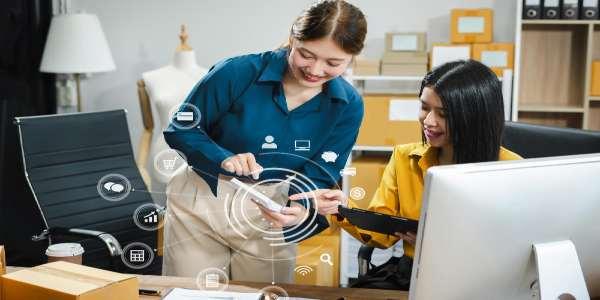
A successful retail business begins with strong operational foundations. Clear processes for inventory management, customer service, sales tracking, and employee responsibilities help ensure that daily operations run efficiently. Without proper systems in place, businesses may face challenges such as stock shortages, customer complaints, and unnecessary operational costs.
Understanding your target audience is equally important. Retailers who know their customers' preferences, buying habits, and expectations can make smarter decisions regarding product selection and pricing. By establishing efficient processes and focusing on customer needs, businesses create a stable platform for sustainable growth.
Inventory management directly impacts profitability and customer satisfaction. Holding excessive stock can tie up valuable capital and increase storage expenses while insufficient stock can result in missed sales opportunities. Finding the right balance, helps businesses maintain healthy cash flow and meet customer demand consistently.
Retailers can improve inventory management through regular stock audits, demand forecasting, and inventory tracking systems. Modern retail software provides real time visibility into stock levels, making it easier to reorder products before they run out. Effective inventory management reduces waste and ensures customers can find the products they need when they visit the store.
Customer experience plays a significant role in determining whether shoppers return to a business. Friendly, knowledgeable staff and prompt service help create positive interactions that encourage repeat purchases. Customers who enjoy their shopping experience are also more likely to recommend the business to others.
The shopping environment itself also influences customer satisfaction. Well organised product displays, clean store layouts, and easy navigation can make the shopping journey more enjoyable. Retailers that focus on creating memorable customer experiences often build stronger customer loyalty and gain a competitive advantage in the market.

Consumers increasingly rely on the internet to research products, compare prices, and read reviews before making purchasing decisions. As a result, having a professional online presence is no longer optional for retail businesses. A well designed website allows customers to learn more about products, services, promotions, and store locations at any time.
Social media platforms further enhance a retailer's ability to connect with customers. Regular posts, product updates, and promotional campaigns can increase brand awareness and drive traffic to both physical and online stores. For anyone exploring a business for sale South Africa, evaluating the business's digital presence can provide valuable insight into its future growth potential.
Building strong connections within the local community can help retail businesses increase visibility, attract loyal customers, and encourage long term growth.
- Participate in Community Events: Attend or sponsor local events to increase brand visibility and connect with potential customers.
- Collaborate with Nearby Businesses: Partner with neighbouring businesses for cross promotions and shared marketing opportunities.
- Encourage Online Reviews: Ask satisfied customers to leave positive reviews to strengthen credibility and attract new shoppers.
- Implement Referral Programs: Reward existing customers for referring friends and family to your business.
- Offer Loyalty Rewards: Create loyalty programs that encourage repeat purchases and long term customer relationships.
- Run Exclusive Local Promotions: Provide special offers for local customers to increase foot traffic and boost sales.
Data provides valuable insights that can help retailers make informed decisions. By analysing sales reports, customer behaviour and purchasing trends, business owners can identify which products perform best and which areas require improvement. This information helps optimise inventory, pricing and promotional strategies.
Customer feedback is another important source of data. Surveys, reviews and direct interactions can reveal valuable information about customer expectations and satisfaction levels. Businesses that regularly analyse data are better positioned to adapt to market changes and make decisions that support growth.
Employees are often the first point of contact between a business and its customers. Proper training ensures staff members understand products, company policies, and customer service standards. Well trained employees can confidently assist customers, answer questions, and resolve issues, leading to a better shopping experience.
Ongoing employee development, also improves productivity and job satisfaction. When team members feel supported and empowered, they are more likely to stay motivated and contribute positively to the business. Investing in staff training ultimately benefits both customers and the overall success of the retail operation.
Long term growth requires strategic planning and a willingness to adapt to changing market conditions. Retail businesses should regularly review their performance, identify emerging opportunities and adjust their strategies, based on customer needs and industry trends. A proactive approach helps businesses remain competitive and resilient.
Growth opportunities may include expanding product ranges, introducing ecommerce capabilities, or opening additional locations. Entrepreneurs considering a business for sale South Africa should carefully evaluate whether the business has systems in place that support future expansion. Businesses with strong operations, loyal customers, and effective marketing strategies are often better positioned for long term success.
Wrapping Up
Managing and marketing a retail business involves much more than selling products. Success depends on efficient operations, strong customer relationships, effective marketing, and a commitment to continuous improvement. Businesses that focus on these areas are more likely to attract customers, increase profitability, and remain competitive. Whether you are launching a new retail venture or evaluating a business for sale, implementing these management and marketing practices can help build a stronger and more successful business for the future.

Johannesburg is considered one of South Africa’s thriving business centres, where new entrepreneurs can easily find business opportunities in...

Seasonal businesses may seem easy to operate, but they are among the most challenging endeavours for novice entrepreneurs. Their sales patterns often...






Business2Sell is one of the biggest and trusted marketplaces for buying and selling businesses in South Africa. Our website is visited by thousands of buyers and sellers every day, which makes it the most active and dynamic online platform for transactions. We are committed to providing our clients with advanced technology and value for money services.